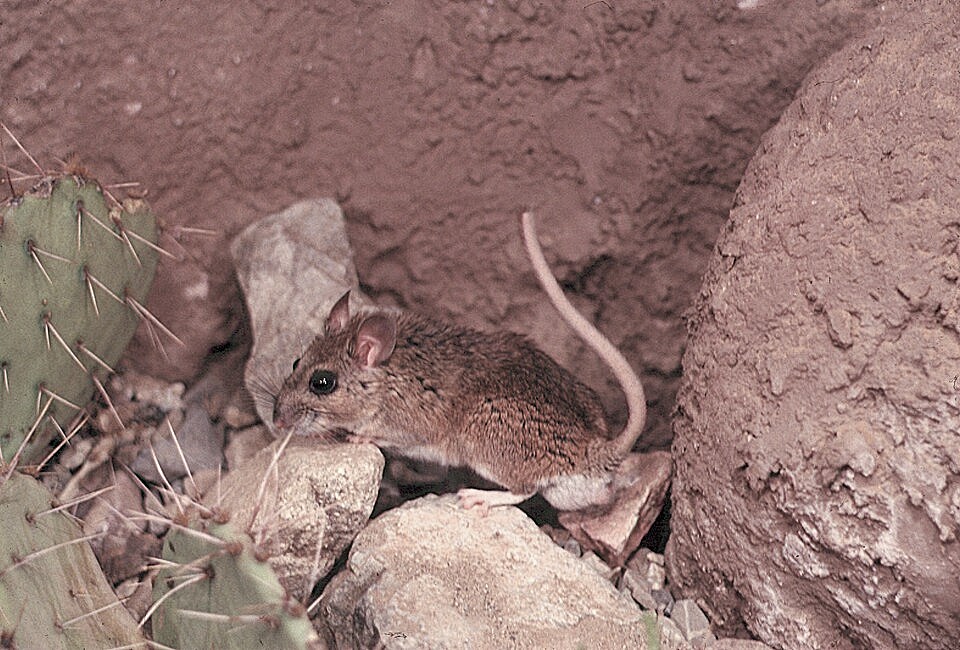
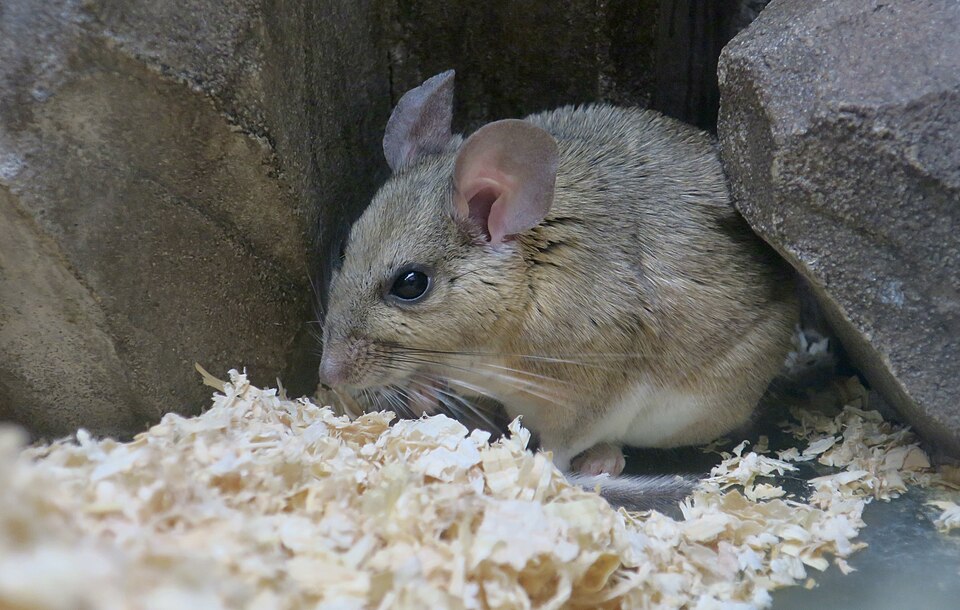
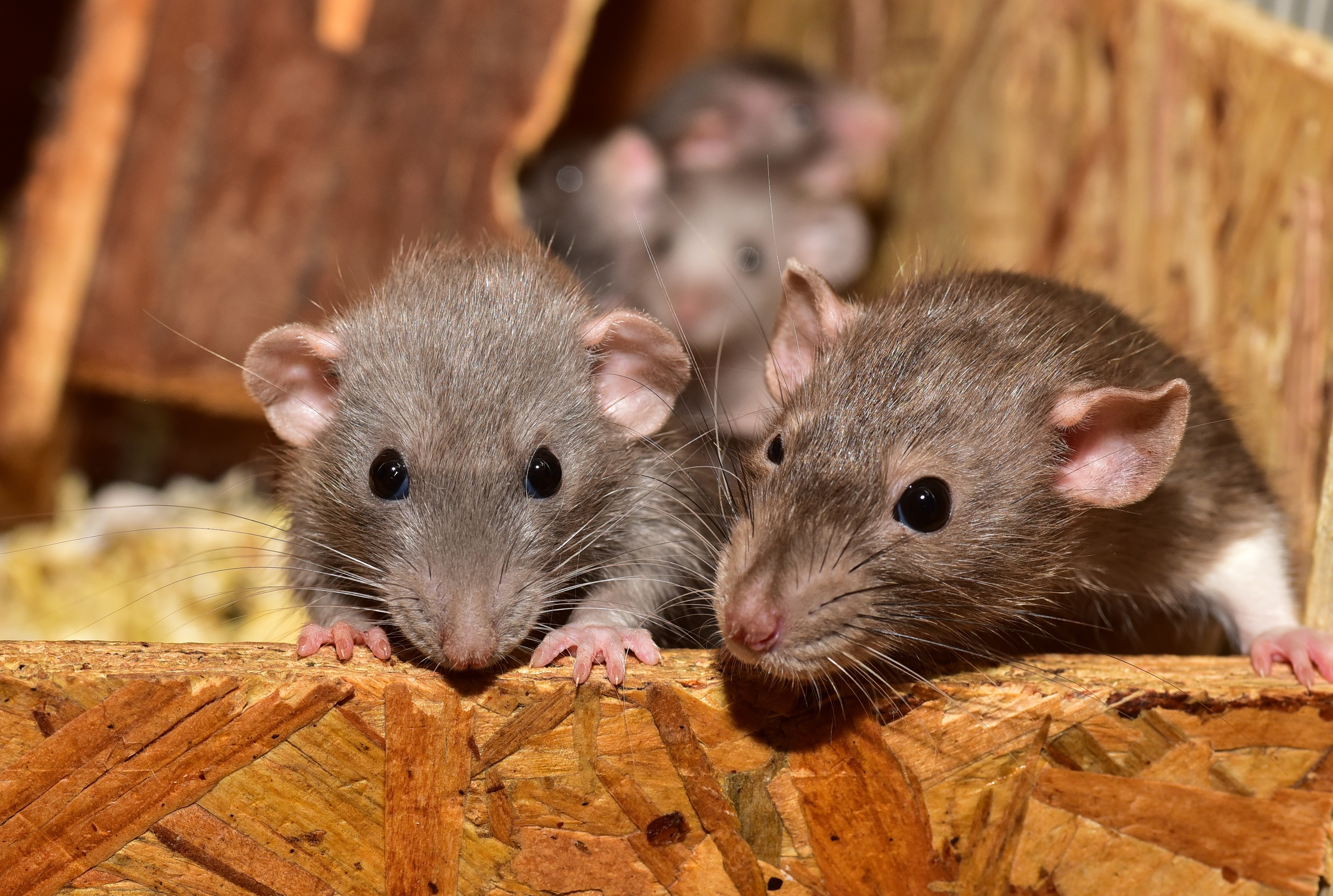
Neotoma devia, the Arizona wood rat, also called pack rat, can be a scourge to those of us in Northern District. You know them by their rat-like appearance with long tails, large ears and wide, black eyes.
The male can grow 12 to 19 inches, with the female being smaller and ranging in size from 11 to 16 inches. They reproduce prolifically, with a female producing up to five litters a year and up to five babies in each litter. That can add up to 25 new “ratitos” hanging around your home or garden in one year!
Young pack rats are raised in nests called middens. The nest can be found in a rock crevice, under a tree or bush, or even under a prickly pear. Pack rats use plant fragments, animal dung, rocks, or just about any debris in the area for building their nests. Their crystallized urine is what cements their nest together.
If a pack rat finds something it likes, it will drop what it is carrying for that new, shiny object. Pack rats also like wiring from attics or the covering on electrical wiring in your car.
Archeologists have found evidence of rats dating back 50,000 years in ancient middens. Hantavirus is a deadly disease that affects the lungs and kidneys of humans. It is typically transmitted through contact with rat urine, feces, saliva or inhaling particles of the virus found in dust from nesting materials. The virus is not transmitted from one human to another, only from contact with rat excrement or nesting materials.
Pack rats mostly eat green vegetation, twigs and shoots. Your garden can be an inviting cafeteria. Their diet is influenced by their geography and what is available in that region.
How to get rid of pack rats? Dark and damp areas attract most rodents. Check vents or spaces in your house or garden shed where they can get in or under. Caulk all cracks. Steel wool can plug up smaller holes since they do not chew through it. Cleanliness matters, so do not have any smelly food items out that may attract them. Make sure your garbage cans are tightly closed. Diatomaceous earth with essential oils can be a deterrent. Peppermint is a smell they can’t tolerate. Boric acid is another deterrent safe to humans.
You can also use a rat trap. Make sure to stake it down so the rat does not drag it to a place you cannot find and leave a bad smell when a rat is caught in the trap. I just take the whole trap, dead rat and all, and put it in a plastic grocery bag and dispose of it. Live traps do not seem worth it. Exterminators are another method of elimination. Pack rats share this planet called Earth with all of us, but they do not need to share our house or garden.
By Victoria Norton, Northen District Director